Creating a Gender-Oriented User Experience
1. Research the Diversity of Users
Before starting the design process, it's essential to conduct research to understand how different gender groups interact with your product. This can include:
Quantitative and qualitative user research
Interviews and surveys reflecting diverse experiences
Analysis of user behavior data
2. Use Inclusive Language and Visual Elements
Language and visual design should not reinforce stereotypes. To ensure this:
Use gender-neutral terms whenever possible
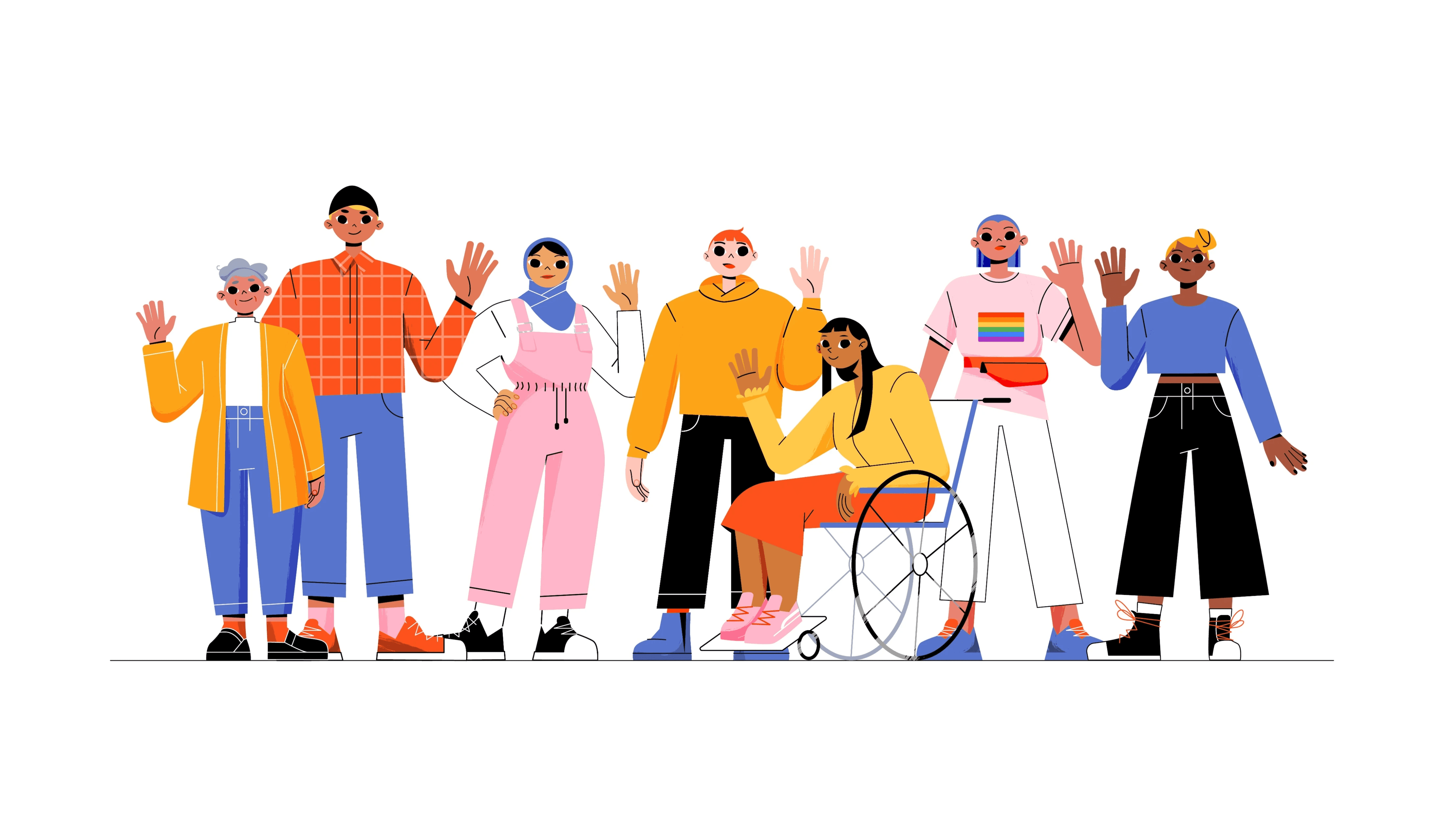
Incorporate images and illustrations that reflect a diverse range of gender identities
Consider the cultural characteristics of your target audience
3. Provide Personalization Options
People of different gender identities may have unique preferences and needs. Allow users to customize the interface to suit them:
Offer diverse gender selection options or make it optional
Enable personalized settings, including user address forms and visual themes
Design flexible UX solutions that adapt to different user scenarios
4. Consider Physiological and Psychological Differences
Different user groups may perceive and interact with interfaces differently. To accommodate this:
Develop accessible and user-friendly interfaces considering cognitive differences
Pay attention to contrast, typography, and readability
Ensure usability testing includes diverse user groups
5. Eliminate Bias in Algorithms
If your product uses algorithms (e.g., recommendations, AI, or personalization), it is crucial to eliminate discrimination:
Analyze data for gender bias
Test the system to ensure equal opportunities for all users
Implement transparent decision-making mechanisms
6. Focus on Accessibility (A11Y)
Gender-oriented design is also about inclusivity and accessibility for all users, regardless of their abilities:
Adhere to WCAG standards when developing interfaces
Create UX solutions that are comfortable for users with disabilities
Test the interface with real people who have different needs
7. Test the Design with a Diverse Audience
Usability testing should include representatives from different gender groups to:
Identify potential barriers and improve the user experience
Observe how different users interact with the interface
Avoid unintentional discrimination
Conclusion
Gender-oriented design is not just a trend but a necessity for creating a convenient, fair, and accessible user experience. Thoughtful UX/UI design helps attract a broader audience, increase user loyalty, and enhance brand perception. By designing with inclusivity in mind, we create products that are comfortable for everyone to use.